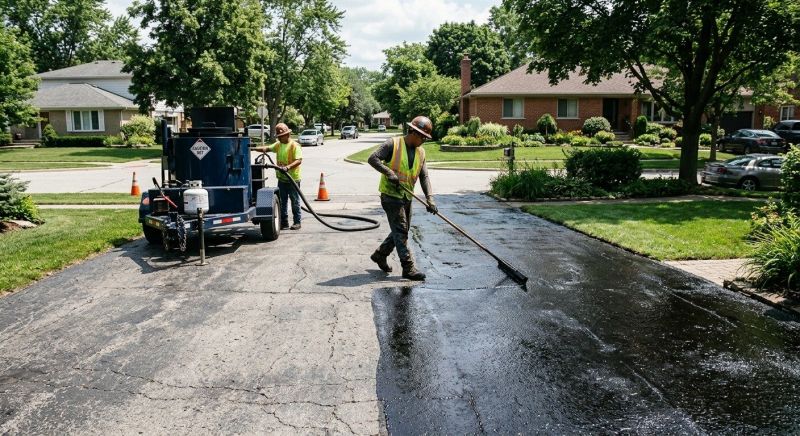
Hot Tar Driveway Sealing in Denver, CO
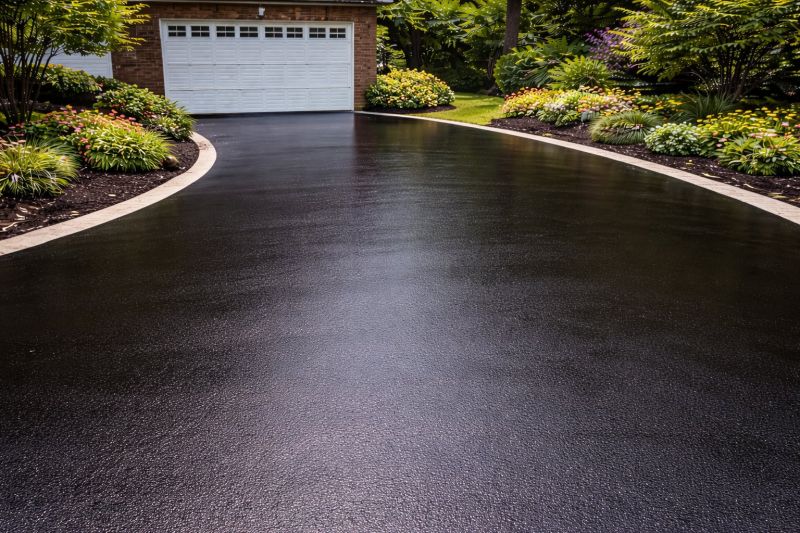
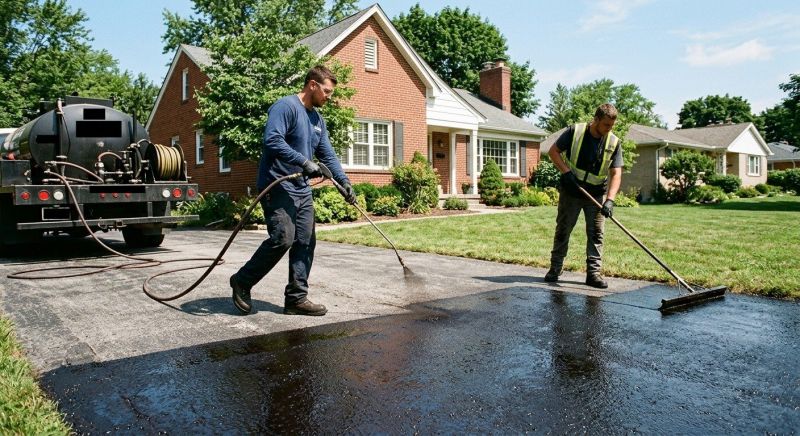
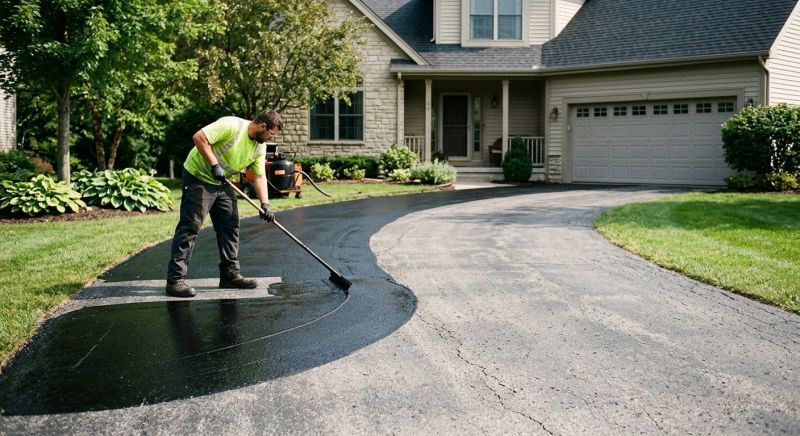
Hot tar driveway sealing is a service that involves applying a layer of hot asphalt-based material to the surface of a driveway. This process helps protect the asphalt from damage caused by weather, UV rays, and everyday wear and tear. It is commonly used for residential driveways, parking areas, and other paved surfaces that require a durable, protective coating to extend their lifespan and improve appearance. Property owners typically request hot tar sealing to prevent cracks, reduce potholes, and maintain a smooth, even surface that enhances curb appeal.
Before requesting hot tar driveway sealing, property owners often want to understand the condition of their existing pavement, including any cracks or damage that may need repair beforehand. It’s also important to consider the timing, as sealing is most effective when the driveway is clean and dry. Homeowners should inquire about the type of materials used, the application process, and how often the sealant should be reapplied to ensure optimal protection and long-lasting results.
Many property owners in Denver, CO look into Hot Tar Driveway Sealing for repairs, replacements, upgrades, and appearance-related improvements.
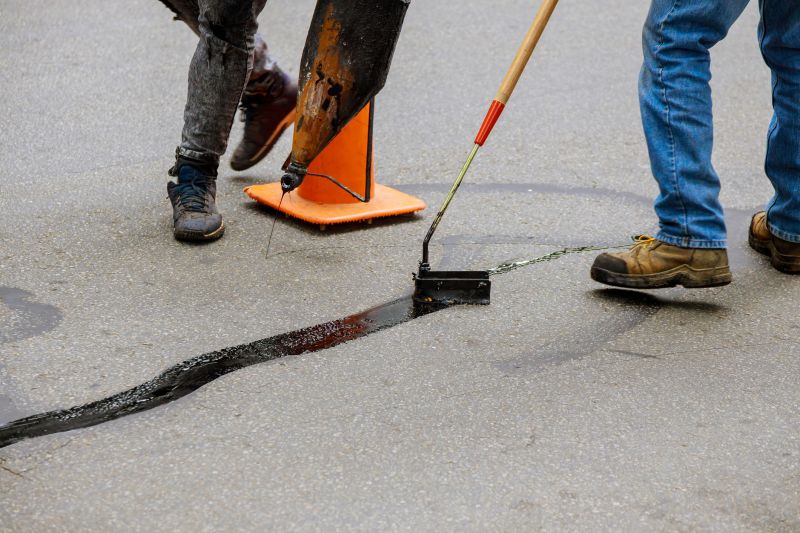
Benefits Of Hot Tar Sealing
Hot tar sealing helps protect driveways from water damage and extends their lifespan.
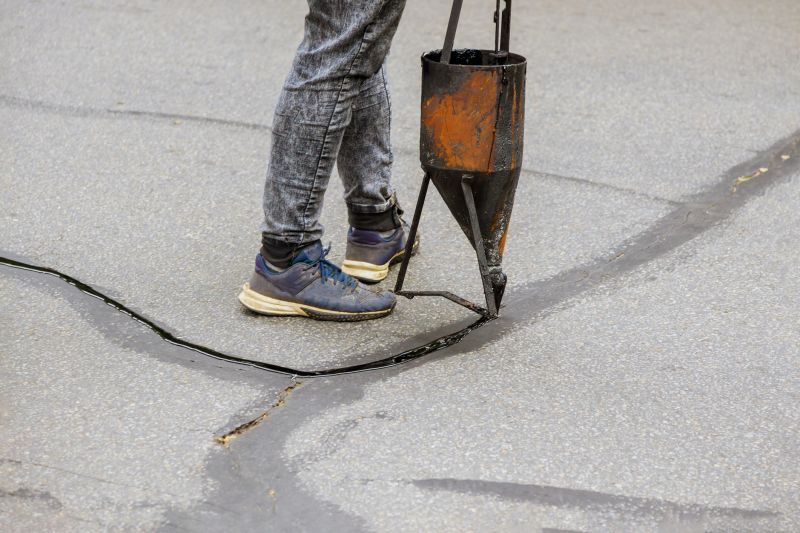
Common Applications
This service is often used to restore aging driveways and prepare surfaces for winter in denver, co.
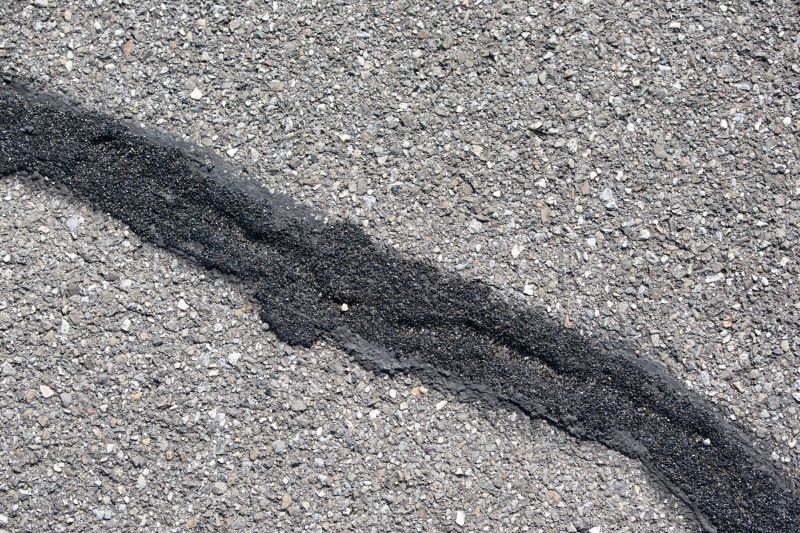
Maintenance And Care
Sealing with hot tar can reduce cracks and improve the appearance of residential and commercial driveways.
Hot Tar Driveway Sealing in Denver, CO

Hot tar driveway sealing is a service that involves applying a layer of hot asphalt-based material to the surface of a driveway. This process helps protect the asphalt from damage caused by weather, UV rays, and everyday wear and tear. It is commonly used for residential driveways, parking areas, and other paved surfaces that require a durable, protective coating to extend their lifespan and improve appearance. Property owners typically request hot tar sealing to prevent cracks, reduce potholes, and maintain a smooth, even surface that enhances curb appeal.
Before requesting hot tar driveway sealing, property owners often want to understand the condition of their existing pavement, including any cracks or damage that may need repair beforehand. It’s also important to consider the timing, as sealing is most effective when the driveway is clean and dry. Homeowners should inquire about the type of materials used, the application process, and how often the sealant should be reapplied to ensure optimal protection and long-lasting results.
Many property owners in Denver, CO look into Hot Tar Driveway Sealing for repairs, replacements, upgrades, and appearance-related improvements.
Common Hot Tar Driveway Sealing Jobs
Hot Tar Driveway Sealing - Protects asphalt surfaces from water damage and UV rays.
Driveway Maintenance - Sealing helps extend the lifespan of existing asphalt driveways.
Parking Area Protection - Sealing reduces cracks and surface deterioration in parking lots.
Residential Driveway Care - Enhances curb appeal and prevents future repair costs.
Commercial Property Sealing - Maintains the integrity of asphalt surfaces in business parking lots.
Surface Restoration - Restores a smooth, uniform appearance to aged or worn asphalt.
Hot Tar Driveway Sealing Questions
What is hot tar driveway sealing? It is a process that applies a hot asphalt-based coating to protect and enhance the surface of a driveway.
Why should homeowners consider hot tar sealing? It helps prevent cracks, extends the driveway's lifespan, and improves curb appeal.
How often is hot tar driveway sealing recommended? Typically, sealing is done every 2 to 5 years, depending on usage and weather conditions.
What types of driveways are suitable for hot tar sealing? Asphalt driveways and other paved surfaces can benefit from this sealing method to maintain durability.
Request Hot Tar Driveway Sealing in Denver, CO
Use the quote form on this page to share the basics of your project and request more information for the type of work you need.